Understanding the In Office Hysteroscopy Procedure: A Modern Solution in Gynecology
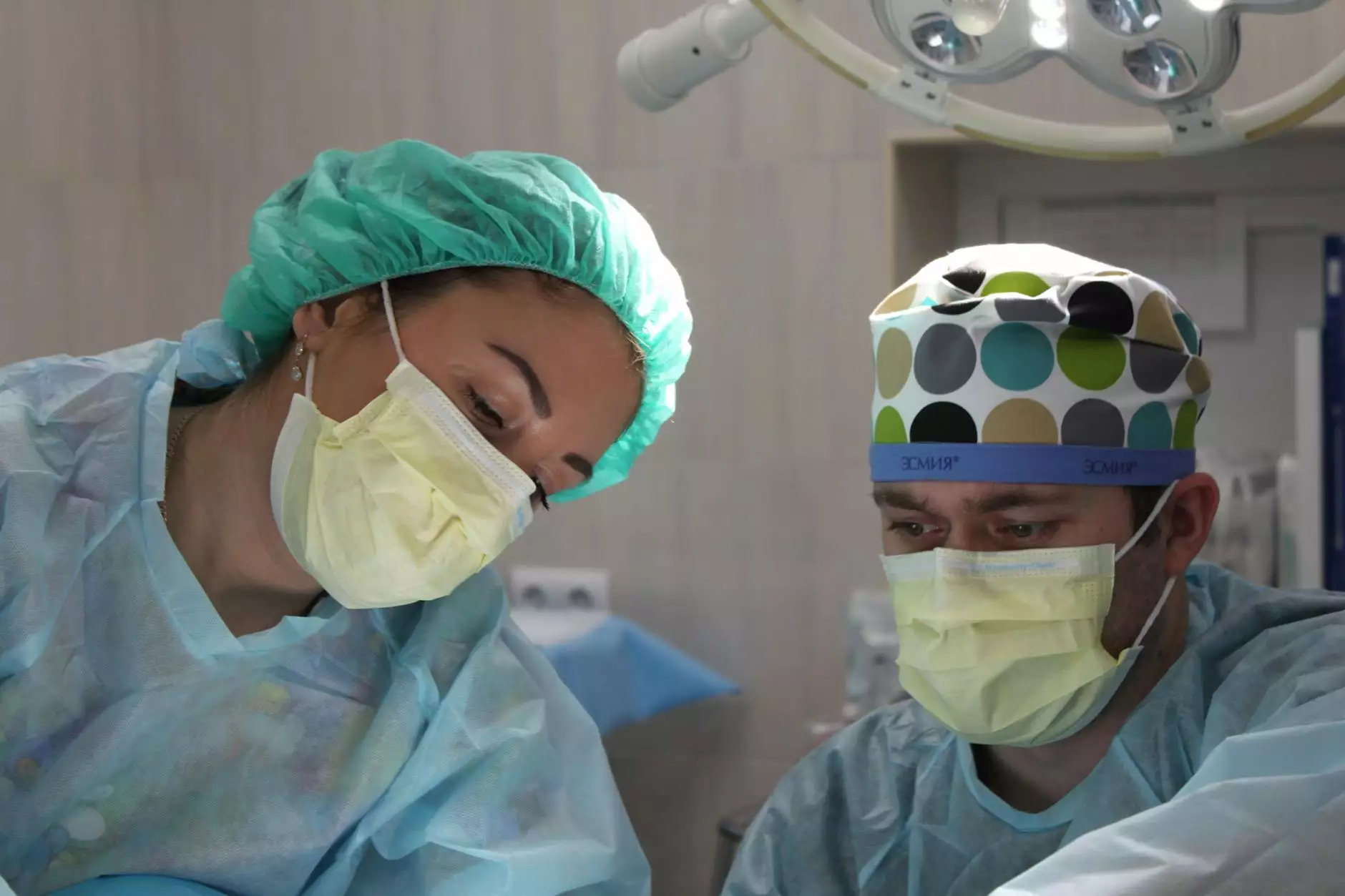
In the evolving landscape of women’s health care, minimally invasive procedures have transformed how gynecological conditions are diagnosed and treated. One such breakthrough is the in office hysteroscopy procedure. This valuable procedure offers a safe, effective, and less intimidating alternative to traditional surgical methods, providing women with quicker recovery times and greater comfort. At Dr. Seckin’s practice, specializing in Doctors, Health & Medical, Obstetricians & Gynecologists, patients benefit from expert care utilizing the latest advancements in gynecological diagnostics and treatment.
What is an In Office Hysteroscopy Procedure?
The in office hysteroscopy procedure is a minimally invasive diagnostic and therapeutic technique used to examine the uterine cavity. It involves inserting a thin, lighted device called a hysteroscope through the vagina and cervix into the uterus, allowing direct visualization of the uterine walls, openings of the fallopian tubes, and the endometrial lining.
This procedure is different from traditional hysteroscopy performed in an operating room, as it allows physicians to conduct examinations and treatment in a simple outpatient setting without the need for general anesthesia. Its convenience, accuracy, and safety have made it an essential tool in modern gynecology.
Why Choose the In Office Hysteroscopy Procedure?
- Minimally invasive: No incisions or large surgical instruments needed.
- Comfortable outpatient experience: The procedure is usually completed within 10-30 minutes.
- No hospitalization: Patients can return home shortly after completion.
- Reduced risk of complications: Less invasive, with fewer risks associated with anesthesia and surgery.
- Immediate diagnosis and treatment: Can address issues like polyps, fibroids, adhesions, and uterine septa during the same visit.
- Cost-effective: Less expensive than traditional surgery, with shorter recovery times.
Conditions Diagnosed and Treated With In Office Hysteroscopy
The in office hysteroscopy procedure is a versatile tool used to diagnose and treat a wide range of uterine conditions, including:
- Uterine polyps: Benign growths that can cause irregular bleeding or infertility.
- Submucosal fibroids: Non-cancerous tumors that distort the uterine cavity and may hinder pregnancy.
- Uterine adhesions (Asherman's syndrome): Scar tissue formation often following infections or surgical procedures, leading to infertility or abnormal bleeding.
- Uterine septum: A congenital uterine anomaly associated with recurrent pregnancy loss.
- Endometrial hyperplasia: Thickening of the uterine lining, which could be precancerous.
- Retrieval of failed intrauterine devices: Detects and manages misplaced IUDs.
- Diagnosis of abnormal uterine bleeding: Precise assessment of bleeding sources for accurate management.
The Step-by-Step Process of the In Office Hysteroscopy Procedure
Understanding the process helps patients feel more comfortable and prepared. Here’s a detailed outline of what to expect during the procedure:
Pre-Procedure Preparation
- Consultation with your gynecologist to discuss symptoms and medical history.
- Potential imaging tests, like ultrasound, to plan the procedure.
- Use of prescribed medications, such as light sedatives or pain relievers, if recommended.
- Emptying the bladder before the procedure to enhance comfort and procedural accuracy.
During the Procedure
- Positioning: The patient lies on an examination table in a gynecological position.
- Insertion of the hysteroscope: The device is gently introduced into the vagina and guided through the cervix into the uterine cavity.
- Visualization: The hysteroscope transmits real-time images to a monitor, allowing the physician to examine the uterine interior thoroughly.
- Diagnosis and treatment: Tiny surgical tools can be inserted through the hysteroscope to remove polyps, fibroids, or adhesions as needed.
Post-Procedure Care
- Most patients can resume normal activities within a day or two.
- Possible mild cramping, spotting, or light bleeding for a few days.
- Follow-up appointment to review findings and further management if necessary.
- Instructions on signs of infection or complications requiring immediate medical attention.
The Benefits of Choosing a Skilled Gynecologist for In Office Hysteroscopy
Having an experienced Obstetrician & Gynecologist like the providers at Dr. Seckin’s clinic is vital for ensuring:
- Accurate diagnosis with direct visualization.
- Minimized discomfort and anxiety.
- Effective management of uterine conditions during the same visit.
- Optimal post-procedure care and follow-up.
Safety and Risks Associated With In Office Hysteroscopy
While the in office hysteroscopy procedure is considered highly safe, as with any medical procedure, some risks are possible, including:
- Light cramping or discomfort: Usually mild and temporary.
- Vaginal or uterine bleeding: Typically minimal and short-term.
- Infection: Rare, but possible; hence, sterile techniques are strictly followed.
- Perforation of the uterine wall: Extremely rare when performed by experienced professionals.
Choosing a reputable clinic with a highly trained gynecologist minimizes these risks and ensures a smooth procedure.
Patient Testimonials and Success Stories
Many women have shared positive experiences after the in office hysteroscopy procedure. They report minimal discomfort, quick recovery, and relief from symptoms such as abnormal bleeding or infertility issues. These success stories highlight the importance of early diagnosis and minimally invasive treatment for improving women’s quality of life.
How to Prepare for Your Appointment at Dr. Seckin’s Practice
If you are considering an in office hysteroscopy procedure, schedule a consultation to discuss your symptoms, medical history, and concerns. Dr. Seckin and the dedicated team will guide you through the process, answer all your questions, and tailor the procedure to your specific needs. Pre-procedure instructions may include:
- Avoiding certain medications that increase bleeding risk, under your doctor’s guidance.
- Arranging transportation if sedation is used.
- Ensuring you have a comfortable clothing and preparation plan for after the procedure.
The Future of Gynecological Care: Embracing Minimally Invasive Techniques
The in office hysteroscopy procedure exemplifies how technological advances continue to improve women’s health care. As research evolves and equipment become more sophisticated, these procedures will only become more effective, safer, and patient-friendly. Patients now demand healthcare that respects their comfort and minimizes downtime, and providers like Dr. Seckin are committed to delivering this standard of care.
Conclusion: Why an In Office Hysteroscopy Procedure is a Game-Changer in Gynecology
In summary, the in office hysteroscopy procedure offers a revolutionary approach to diagnosing and treating uterine conditions. Its advantages—being minimally invasive, cost-effective, and highly accurate—make it the preferred choice for many women facing issues like abnormal bleeding, infertility, or uterine abnormalities. With expert care from experienced obstetricians and gynecologists, women can expect a smooth, safe experience that not only alleviates symptoms but also enhances overall reproductive health.
For personalized consultation and to learn more about how this procedure can benefit you, contact Dr. Seckin’s Obstetrics & Gynecology today. Embrace the future of women’s health with confidence and comprehensive care.